
PROJECT OVERVIEW
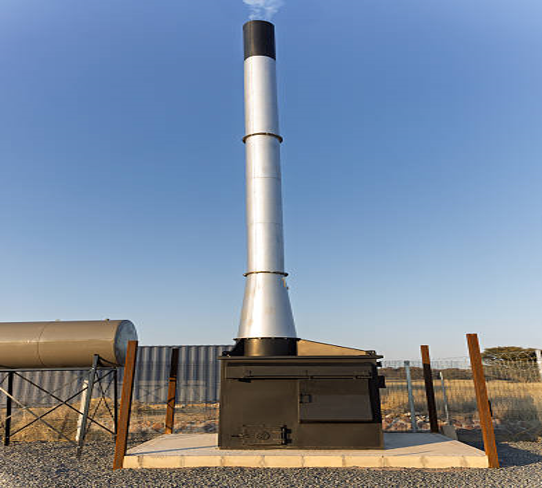
Illovo Sugar Malawi (ISM) planned the installation of a modern medical waste incinerator at Matiki Health Centre within its Dwangwa Sugar Estate in Nkhotakota District. The TIF 100 unit, with a 240 kg daily capacity was aimed at replacing an old batch type incinerator that could no longer achieve complete combustion. This upgrade was crucial for safeguarding public health and protecting the environment by ensuring safe, efficient disposal of medical and hazardous waste. In compliance with Malawi’s Environment Management Act of 2017 and Malawi’s Environmental Impact Assessment Guidelines of 2025, the project required the preparation of an Environmental and Social Management Plan (ESMP).
THE CHALLENGE
The client faced two urgent challenges: they needed a comprehensive ESMP and regulatory approval within a tight timeframe of three weeks to meet upcoming environmental audits and maintain their certification, and the study had to be conducted independently by a licensed and competent consultant. Naturenv team swiftly delivered a high-quality ESMP for the installation of a modern medical waste incinerator at Matiki Clinic, addressing compliance gaps while ensuring health and environmental risks to staff and surrounding communities were effectively managed in line with regulatory and sustainability standards.
THE APPROACH AND RESULTS
Leveraging on a strong in-house team and a wide network of specialists, the consultant mobilized a coordinated multidisciplinary team to deliver the study. Fieldwork, specialist studies, and community and stakeholder consultations were conducted simultaneously. Old approved ESMP reports were used as templates to ensure full alignment with MEPA standards. Site visits to operational incinerators provided practical insights, while a structured Hazard Identification and Risk Assessment (HIRA) was applied to evaluate waste management and incinerator emissions. These approaches informed targeted mitigation measures and clear recommendations, ensuring compliance and protecting community health. In the end, the project approval was secured within six weeks – three weeks more than the required timeframe but timely for the audits.
No responses yet